Information Disorder & FIMI: A Case Study
Group Research Project

Unveiling Information Disorder

A detailed case study exploring the mechanics of Foreign Information Manipulation and Interference (FIMI) and the lifecycle of online disinformation.

The Case Study

This analysis dissects a specific instance of information manipulation. By tracing the lifecycle of a false narrative—from its inception to its clarification—we expose the vulnerabilities within modern digital ecosystems.

Initial false information on social media

Click image to enlarge

Phase 1

The Genesis of Falsehood

The campaign initiated with a deliberately crafted piece of false information shared across primary social networks. The content was strategically designed to provoke an emotional response, utilizing polarizing language to bypass critical thinking and exploit existing societal anxieties. This initial seeding is crucial for FIMI actors to establish a baseline narrative.

Phase 2

Amplification & Coordinated Trolling

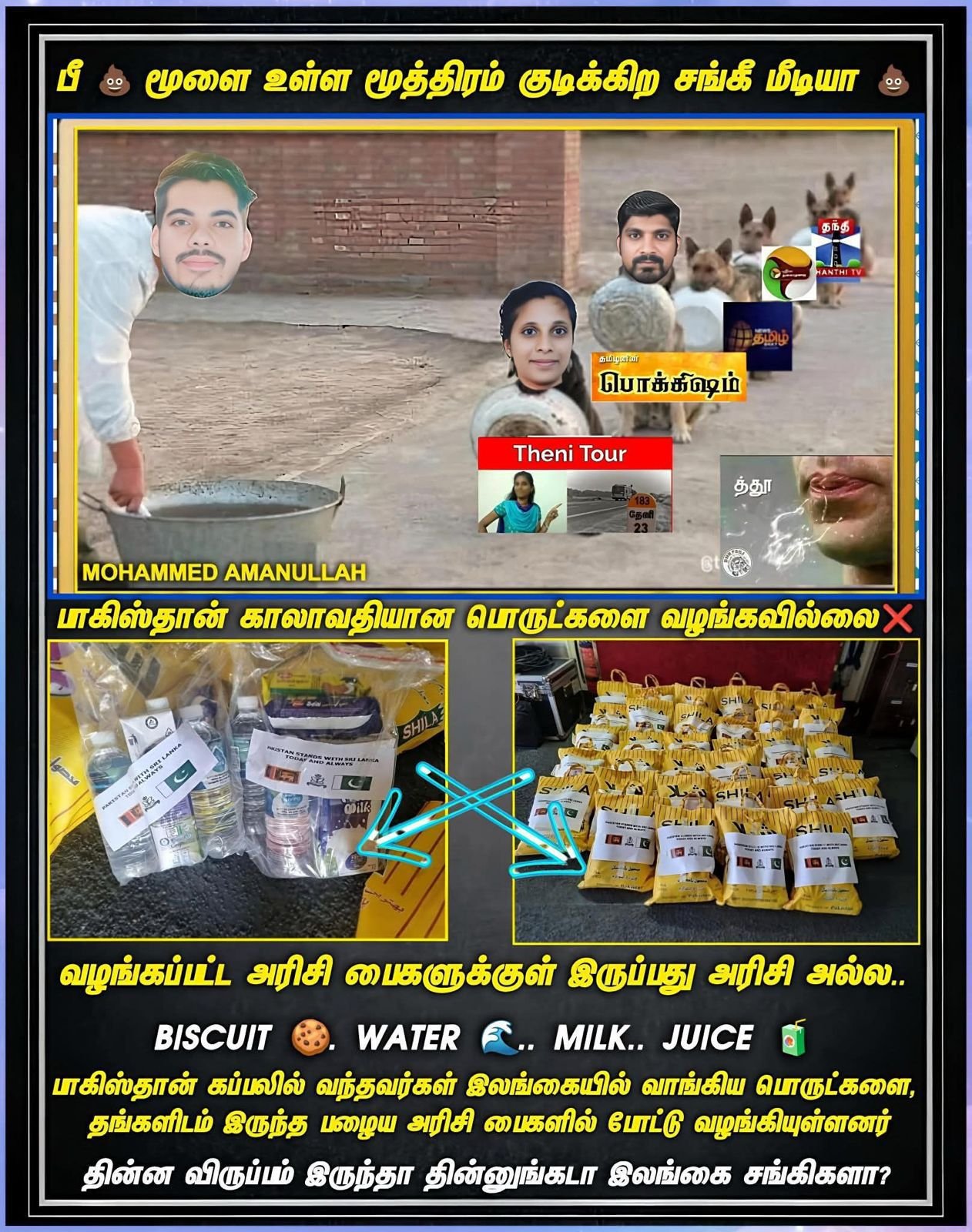
Once the seed was planted, coordinated networks—including automated accounts and orchestrated trolling—quickly engaged with the original post. By artificially inflating likes, shares, and inflammatory comments, the perpetrators manipulated platform algorithms.

This artificial virality ensured the content was pushed into the feeds of unsuspecting, organic users, transforming a localized false claim into a widespread disinformation hazard.

Trolling post containing disinformation Further spread of disinformation
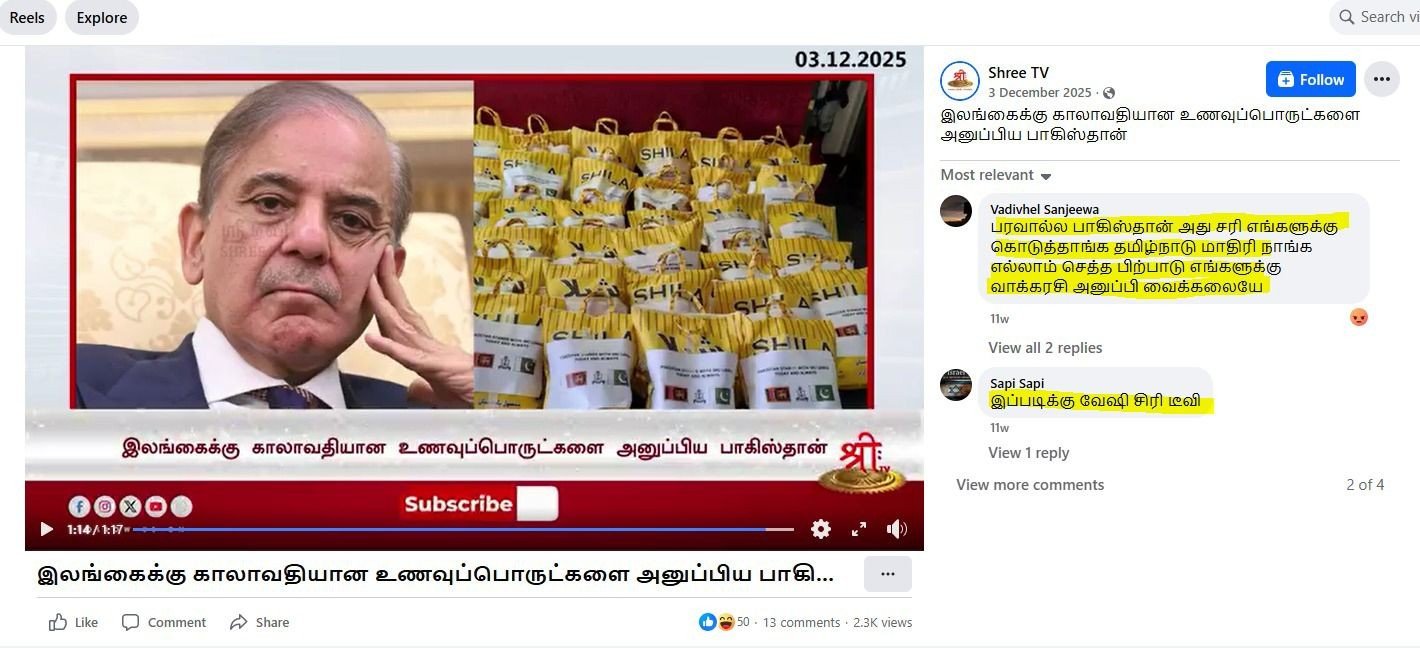
Web platforms publishing false information
Phase 3

Cross-Platform Migration

The fabricated narrative did not stay confined to a single social network. Exploiting the broader web ecosystem, the claims spilled over into fringe web platforms and aggregator sites. By moving across different mediums, the disinformation gained a veneer of legitimacy, making it increasingly difficult for average internet users to distinguish fact from fiction.

Phase 4

Intervention and Fact-Checking

In response to the viral spread of malinformation, independent media outlets and dedicated fact-checking organizations intervened. They painstakingly dismantled the false claims using verified data, expert testimonials, and transparent methodology. This phase highlights the critical necessity of resilient, independent journalism in acting as an antidote to FIMI operations.

Media clarifying the situation

Understanding FIMI

Explore the core concepts of Foreign Information Manipulation and Interference and the broader spectrum of Information Disorder.

Foreign Information Manipulation and Interference (FIMI) describes a mostly non-illegal pattern of behavior that threatens or has the potential to threaten societal values, procedures, and political processes. It involves manipulative, coordinated tactics by adversarial actors aiming to divide societies, spread cynicism, and erode trust in democratic institutions.

Information Disorder is generally categorized into three distinct types:

  • Misinformation: False information shared by individuals who believe it to be true, without malicious intent.
  • Disinformation: False information deliberately created and shared to cause harm, manipulate audiences, or generate profit.
  • Malinformation: Genuine information (like private emails or internal documents) shared publicly to deliberately cause harm or reputational damage.
FIMI campaigns frequently utilize bot networks, deepfakes, and astroturfing (masking the sponsors of a message to make it appear as though it originates from grassroots participants). They target algorithms that prioritize engagement, ensuring that emotionally charged, divisive content receives maximum visibility over verified, nuanced journalism.
FIMIResearch

This interactive webpage presents findings from an academic group research project.

Created for educational purposes regarding Information Disorder. Does not reflect the policies of any specific nation or government.

© 2026. All rights reserved.